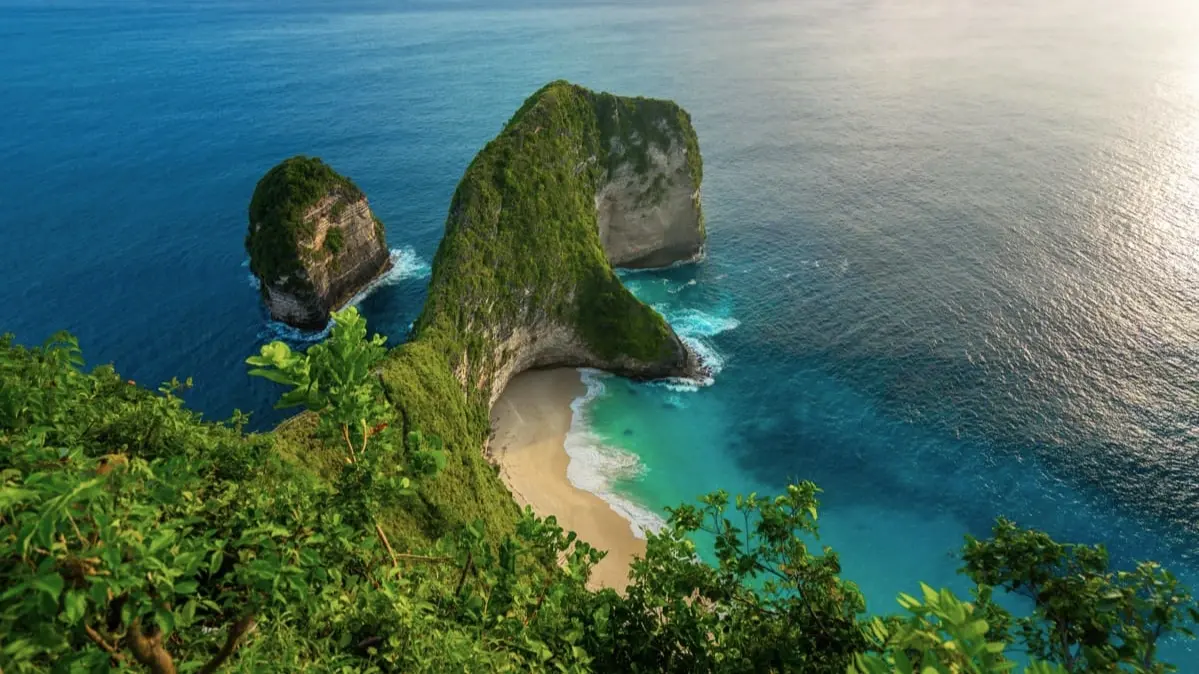
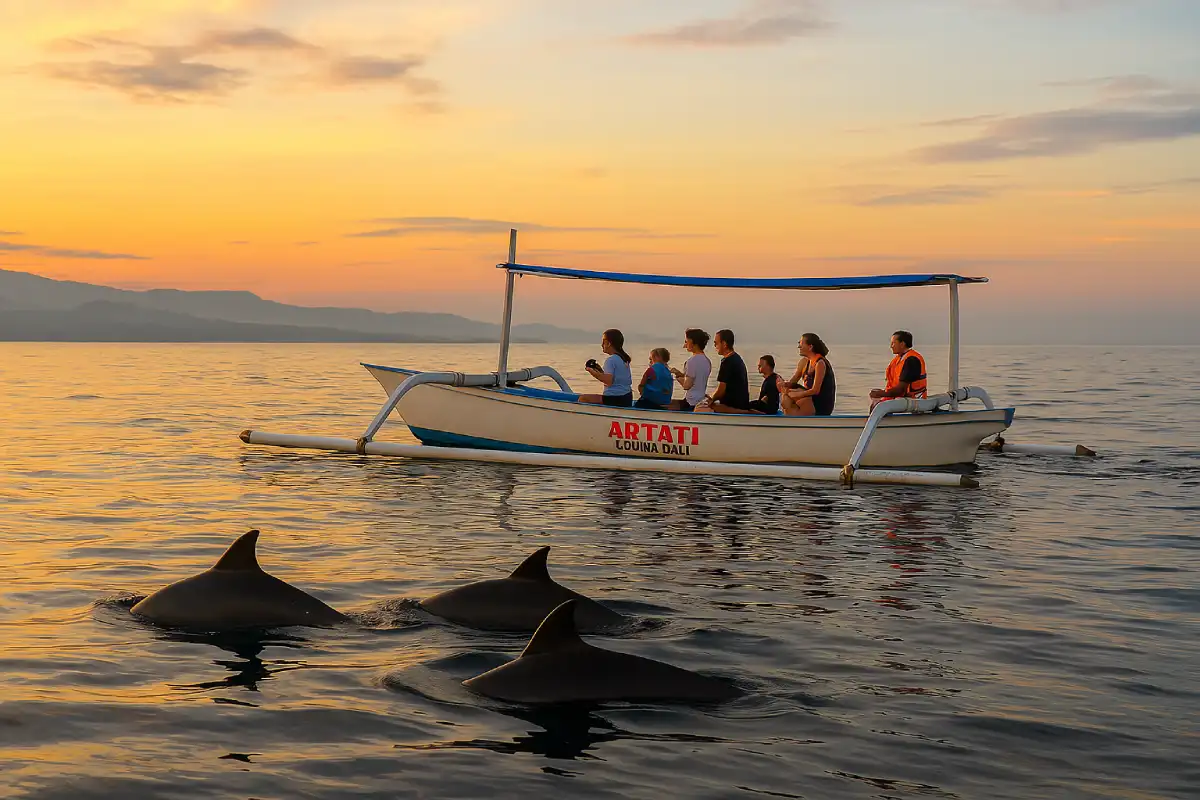
By the time most travelers reach day four or five of their Bali trip, an unmistakable pattern starts to set in. Beach club, temple, beach club, rice terrace, another beach club. It is undeniably beautiful, but after navigating the sweltering coastal humidity, congested intersections, and endless selfie queues of Seminyak, Canggu, and Kuta, it starts to feel like the exact same tourist postcard playing on repeat.
That is usually when someone mentions Munduk. A quiet, rustic mountain village tucked high into the northern ridges of the island, wrapped in ethereal mountain fog most mornings, and surrounded by centuries-old coffee plantations and roaring waterfalls that most tourists never get to see. Munduk is not brand new. It has simply been quietly overlooked for decades while the masses were busy sipping cocktails in the buzzing southern beach towns.
This comprehensive guide covers what Munduk actually is, why it is suddenly showing up on more international travel radars in 2026, how it compares to popular southern destinations, and how to plan your visit properly without wasting half your vacation on treacherous mountain roads.
Why Munduk Is Having a Moment in 2026
Bali's regional tourism authorities have been actively championing what they define as 'spot tourism' — a strategic initiative designed to encourage travelers to venture beyond the saturated southern tourism corridor and explore rural, eco-conscious highland destinations. Munduk is one of the premier mountain villages benefiting most from this island-wide shift.
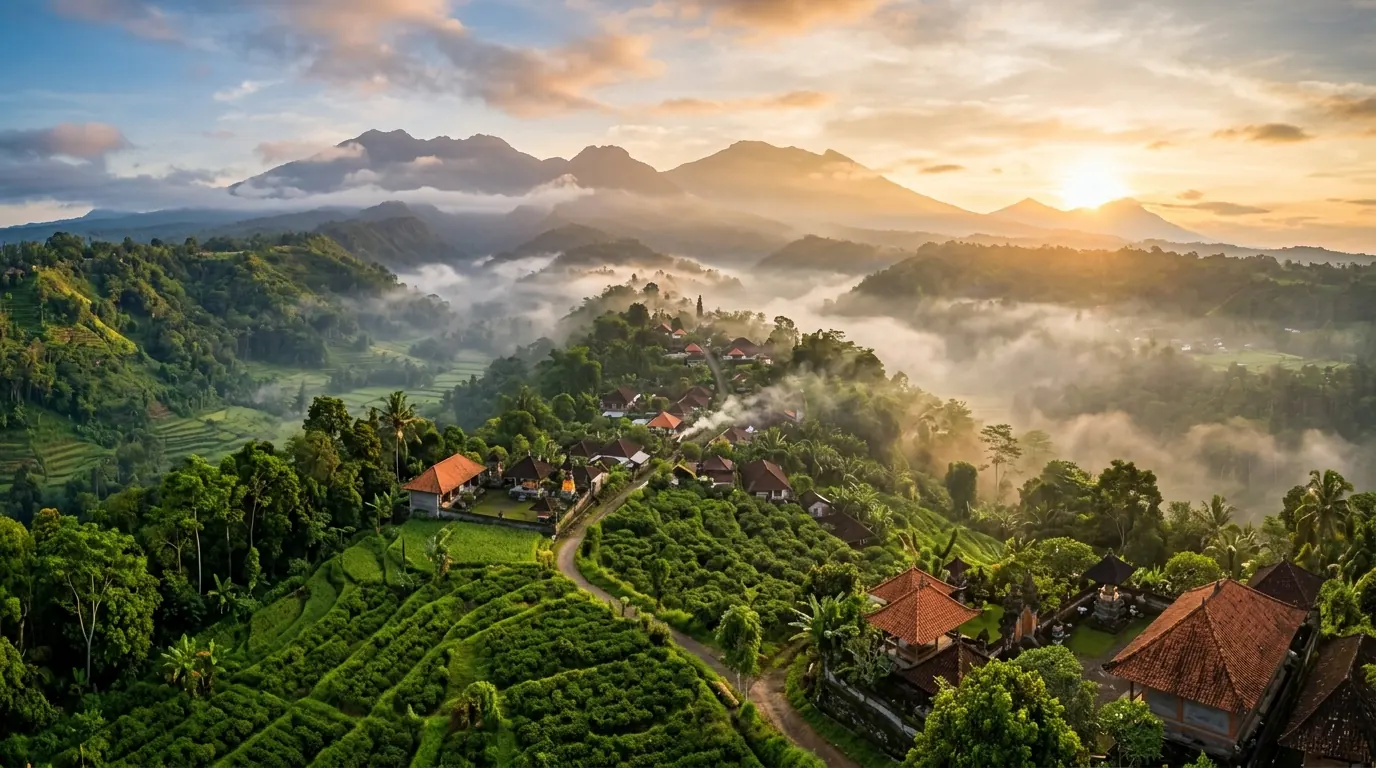
Part of the appeal is simple geographic math. While southern coastal hubs like Kuta, Canggu, and Sanur regularly swelter in 31°C to 34°C tropical heat with dense traffic emissions, Munduk perches at an elevation of roughly 800 to 1,200 meters above sea level. Up here along the northern ridge of the caldera, daytime temperatures hover comfortably between 20°C and 25°C, dropping to a brisk 15°C to 18°C after dusk. The air smells clean, crisp, and noticeably thinner.
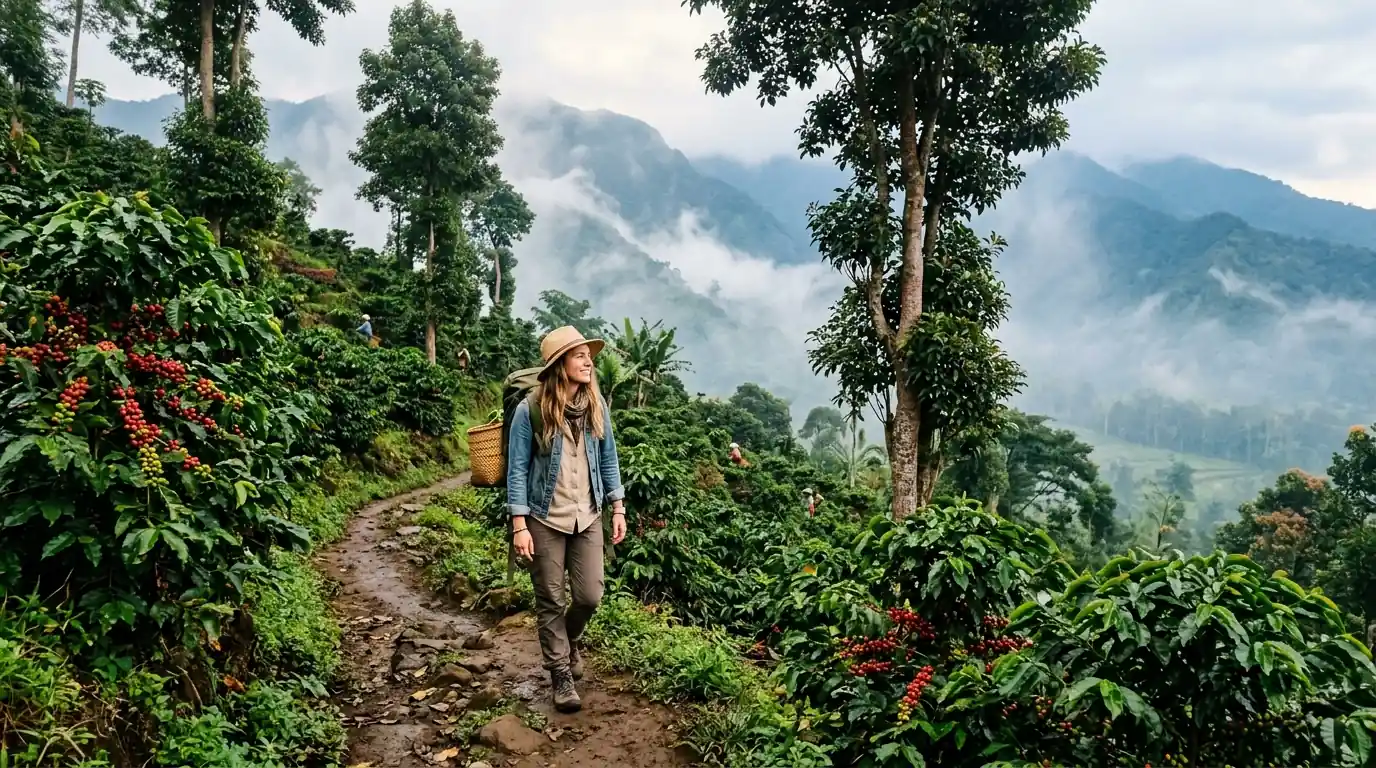
Mornings in Munduk frequently begin under a genuine blanket of mountain fog rolling lazily through terraced clove orchards, wild hydrangeas, and shaded arabica coffee trees. It provides a completely different sensory atmosphere from the sun-bleached beach clubs two hours south, making you feel as though you have discovered an entirely separate island altogether.
For travelers who have experienced the sensory overload of southern Bali traffic, stepping out into Munduk's cool mountain air feels like an immediate physical relief. You wake up to birdsong rather than scooter horns, sip locally harvested mountain coffee on wooden verandas overlooking deep green valleys, and watch white clouds drift silently through your bedroom window.
What Munduk Actually Offers (Beyond the Postcards)
Munduk is not merely a single tourist attraction or roadside photo spot. It is an expansive highland micro-region characterized by deep jungle ravines, ancient caldera rim trails, and small traditional hamlets. Understanding this distinction changes how you should plan your daily itinerary around it.
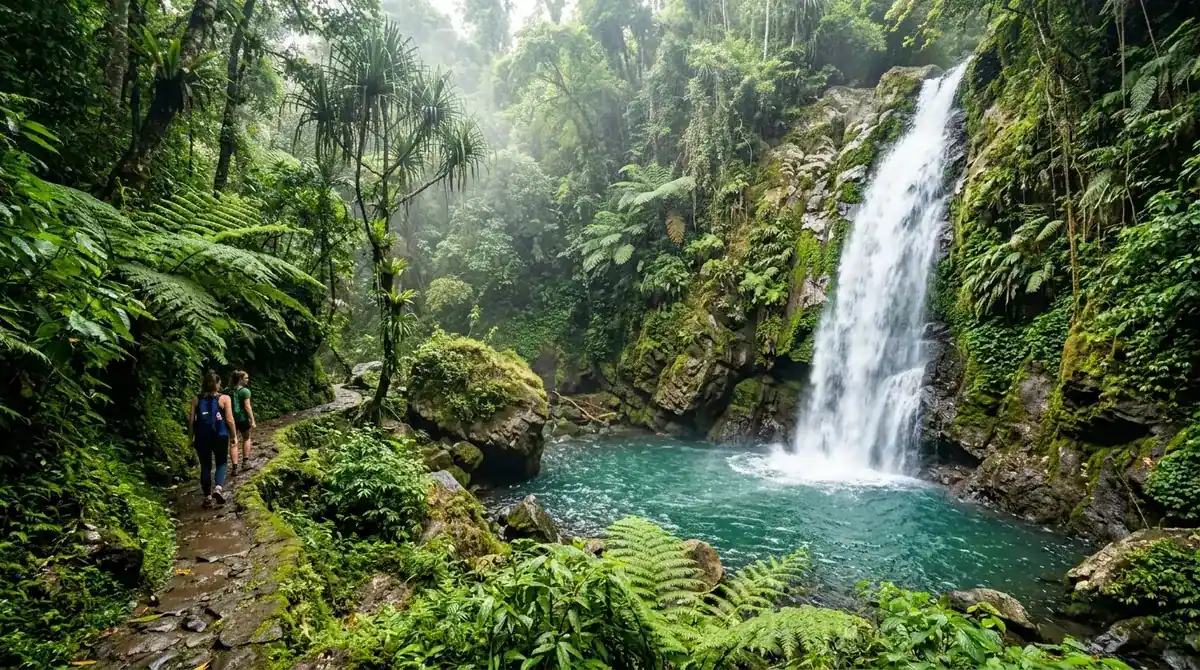
Hidden waterfalls without tourist crowds. Unlike the easily accessible, coach-bus-congested cascades near Ubud, Munduk's waterfalls usually require a moderate jungle hike down stone stairs and forest trails to reach. Waterfalls like Melanting Waterfall, Red Coral (also known as Munduk Waterfall), Labuhan Kebo, and the lesser-known Golden Valley Waterfall remain dramatically peaceful because of that brief physical effort. Melanting plunges over 80 meters down a sheer volcanic cliff face draped in wild vines, producing a thunderous roar and cooling mist that fills the entire canyon. Travelers seeking a comprehensive waterfall adventure often pair these highland cascades with our curated Secret Waterfall Tour Bali, which connects four of the northern region's most pristine falls into one private excursion.
Working coffee, clove, and vanilla plantations. The volcanic soil and cool altitude of Munduk create the ideal microclimate for high-grade Arabica coffee, cacao, and fragrant spices. Many plantations here are heritage family-run farms where clove buds are hand-picked and dried on woven bamboo mats along village walkways. Many local estates welcome curious travelers for informal walk-throughs and cupping sessions. The aroma alone — sun-dried cloves and freshly roasted Arabica beans mingled with damp rainforest moss — is a sensory memory unique to Munduk.
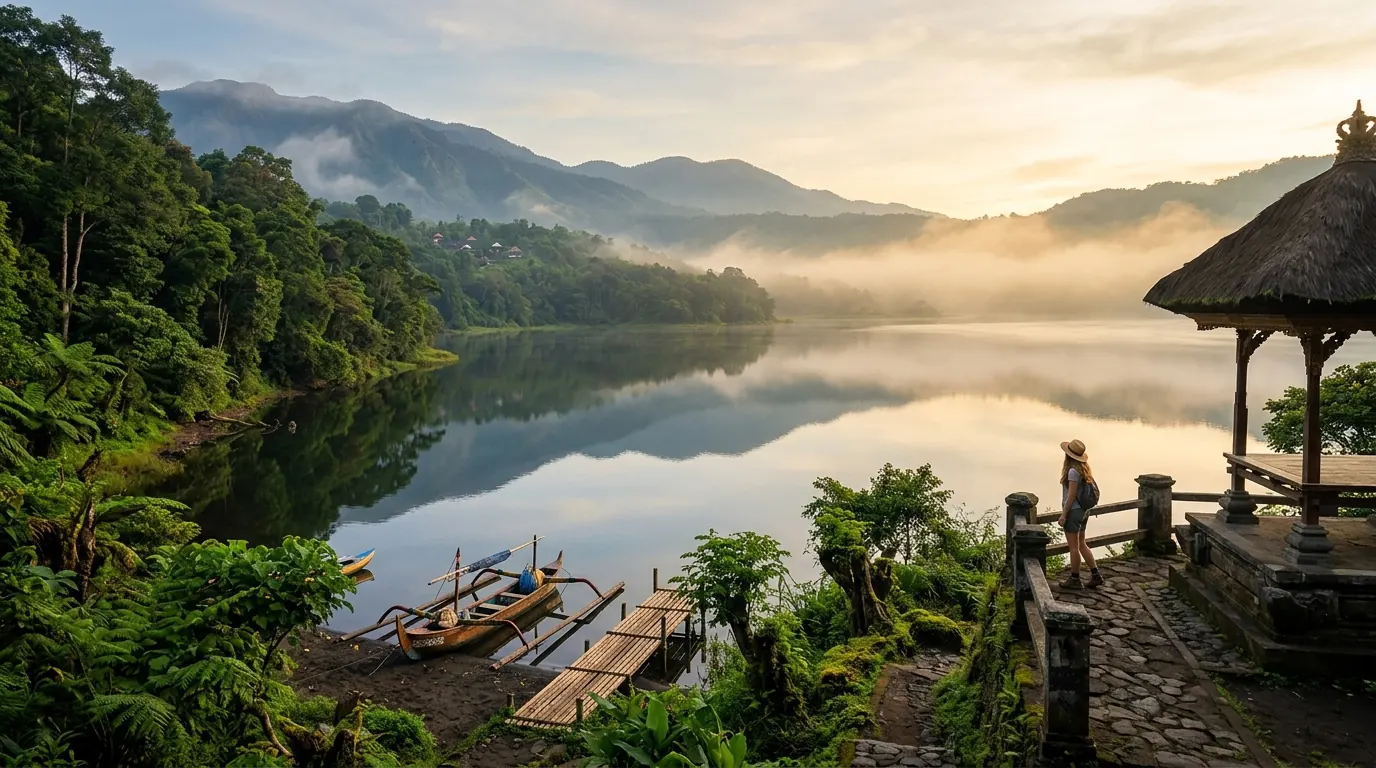
The Sacred Twin Lakes (Lake Tamblingan & Lake Buyan). Just a short drive up the ridge from the village center lie Lake Tamblingan and Lake Buyan, two ancient caldera lakes surrounded by protected cloud forest. Lake Tamblingan is considered sacred by the local Balinese community, who have banned motorized boats on its waters. Visitors can embark on a peaceful morning cruise across the glass-like water in a traditional hand-carved wooden dugout canoe (*pedahu*), accompanied by the tranquil calls of highland birds and views of ancient moss-covered water temples resting peacefully along the quiet shore.
Scenic highland trekking routes. Munduk is widely recognized as one of the premier trekking hubs on the island. A well-marked network of forested trails winds through the hills, connecting cascading waterfalls, rustic ridge-view cafes, and small farming communities. Hikes range from gentle one-hour village loops along ridge paths to challenging half-day valley descents through primary mountain rainforest where giant tree ferns create natural canopies.
How Munduk Compares: Group Tours vs. Ride-Hailing vs. Private Driver
Because Munduk is located roughly 70 kilometers north of Denpasar and 60 kilometers north of Ubud, deciding how you travel here will make or break your entire experience. Let us be completely candid about the realistic transport options, because the mountainous topography behaves very differently from the south coast.
A group bus tour to the northern highlands is rarely enjoyable. Negotiating steep, narrow switchbacks in a large 30-passenger coach is slow and dizzying, and rigid group timetables force you into overcrowded 20-minute photo stops. That rushed pace completely defeats the point of Munduk, which is all about slowing down, breathing fresh pine air, and immersing yourself in nature.
Attempting to rely on ride-hailing apps (Grab or Gojek) or metered taxis is practically impossible in Munduk. While you might manage to book a driver to drop you off in the village from Ubud or Canggu, getting a ride back is nearly hopeless. There are virtually no registered ride-hail drivers operating in Munduk, and mountainous terrain frequently creates mobile signal blackouts. Tourists who rely on apps often find themselves stranded in remote mountain villages with no way to return to their southern hotels before nightfall.
Hiring an experienced private driver is, in practical reality, the only sensible and stress-free way to explore Munduk. A dedicated driver allows you to leave early to catch the mystical morning fog, stop at a scenic plantation or roadside fruit stall on a whim, and adjust the pace of your day depending on how your waterfall trek progresses — with zero schedule pressure from other travelers.
Furthermore, if your trip connects Munduk with the nearby Bedugul highlands and its iconic floating water temple Pura Ulun Danu Beratan, a private driver ensures a seamless point-to-point journey that avoids backtracking along the same winding mountain road twice in one day.
Best Ways to Structure Your Munduk Itinerary
Munduk rewards a deliberate, unhurried pace. Depending on your overall holiday timeline and where you are staying, there are three proven ways to structure your visit:
- The Half-Day Highland Stopover: Ideal if you are already traveling north toward Lovina or North Bali. You depart your southern hotel early, stop in Munduk for a short 90-minute trek to Melanting Waterfall, enjoy an organic lunch overlooking the misty valley, and pause at the Lake Buyan viewpoint before descending to the northern coastline.
- The Dedicated Full Mountain Day: The recommended approach if Munduk is your primary destination for the day. Departing at 6:30 AM allows you to experience the morning fog rolling over Lake Tamblingan, complete a two-hour waterfall circuit taking in both Red Coral and Melanting, tour a working coffee estate with a tasting flight, and relax in the cool mountain climate before heading back south.
- The Grand Highland & Volcano Combination: For travelers wanting an unforgettable contrast between volcanic landscapes and lush cloud forests, pairing Munduk with a Kintamani volcano tour style route allows you to witness Mount Batur's dramatic caldera in the morning before crossing the scenic mountain ridge to Munduk's misty valleys in the afternoon.
If you are currently researching wider island itineraries, our comprehensive overview of Bali tour packages breaks down which routes best suit single-day excursions versus multi-day island loops with overnight stays.
Munduk vs Ubud: Which Is Better for Nature Lovers?
Travelers frequently ask whether Munduk is worth the extra drive if they already have two or three days planned in Ubud. While both destinations feature lush tropical greenery, the experience on the ground is completely distinct:
Quick Comparison: Munduk vs Ubud
| Feature | Munduk Highlands | Ubud Cultural Center |
|---|---|---|
| Elevation | 800m – 1,200m above sea level | 200m – 300m above sea level |
| Average Climate | Cool & misty (18°C – 25°C) | Warm & tropical (26°C – 31°C) |
| Crowd Levels | Quiet, serene, very low tourist density | High tourist density & busy roads |
| Waterfalls | Uncrowded, pristine jungle ravine hikes | Popular, easily accessible, often crowded |
| Key Vibe | Rustic, agricultural, meditative escape | Spiritual, cafe-dense, art & yoga culture |
| Transport Access | Private vehicle / charter essential | Taxis, walking, and local shuttles available |
If you love Ubud for its yoga studios, vibrant health-food cafes, boutique galleries, and monkey sanctuary, Ubud is truly unbeatable. But if you came to Bali dreaming of quiet rainforest trails, cascading waterfalls where you are the only person on the rocks, and crisp mountain breezes that require a light sweater, Munduk is the genuine escape that Ubud used to be thirty years ago.
Who Should Prioritize Munduk (and Who Should Skip It)
Munduk is not the highlight-reel stop that most first-time visitors immediately picture when dreaming of a Bali holiday, and that is precisely its greatest strength. Knowing whether it aligns with your travel style saves valuable vacation hours:
- You should prioritize Munduk if: You are on your second or third trip to Bali and crave something beyond the standard beach-and-temple circuit; you love active hiking and uncrowded nature photography; you are a coffee enthusiast eager to trace beans from hillside trees to cup; or you simply need a cool, tranquil sanctuary to recharge away from tropical humidity.
- You can safely skip Munduk if: You only have 3 to 4 days in Bali and need to hit bucket-list staples like Uluwatu, Nusa Penida, and central Ubud; your trip is focused entirely on beach clubs, surfing, and nightlife; or you have mobility limitations that make walking up and down steep, uneven rainforest stone steps uncomfortable.
Practical Tips to Avoid a Wasted Trip North
Because reaching Munduk requires a 2 to 2.5-hour drive from southern resort areas, a few thoughtful preparations make all the difference between a memorable highland adventure and an exhausting road trip:
- Start before 7:00 AM: The enchanting mountain fog and crisp cool temperatures that make Munduk famous are predominantly a morning phenomenon. By 1:00 PM to 2:00 PM, mountain clouds frequently gather into brief afternoon rain showers.
- Pack a light windbreaker or fleece: When stepping out of your vehicle at 1,000 meters elevation, the mountain breeze feels surprisingly chilly compared to Kuta or Seminyak, particularly if you are damp from trekking near waterfalls.
- Wear shoes with genuine traction: Mountain waterfall trails in Munduk consist of dirt tracks, moss-covered river stones, and wet bamboo bridges. Flip-flops or smooth-soled fashion sneakers are dangerous and will slip on downhill slopes.
- Verify your driver knows the specific trailheads: Several of Munduk's finest waterfall paths begin behind unassuming roadside warungs or residential fruit orchards without large tourist signboards. A driver who is unfamiliar with the area may drop you in the village center far from the actual hiking trails.
- Compare fixed itineraries against private charters: Tour operators offering standard nature tour packages with predetermined waterfall stops provide great value, but booking a custom private driver gives you the freedom to linger longer at a plantation, hike an extra trail, or stop whenever photographic inspiration strikes.
The mountain roads ascending from Bedugul to Munduk along the caldera rim are narrow, steep, and feature blind hairpin curves frequently shrouded in dense mist. If you are not an experienced motorcyclist accustomed to riding steep Indonesian mountain switchbacks in rainy conditions, we strongly advise against renting a scooter for this route. A private car with an experienced local Balinese driver provides complete peace of mind.
Frequently Asked Questions About Munduk Bali
Is Munduk Bali worth visiting?
Yes, Munduk is unquestionably worth visiting for travelers who appreciate cool mountain climates, uncrowded jungle waterfalls, authentic coffee plantations, and tranquil nature treks. It offers an authentic, quiet contrast to the crowded southern tourist centers of Canggu and Seminyak.
How do you get to Munduk from Ubud or South Bali?
Munduk is located roughly 2 to 2.5 hours drive north of Ubud and approximately 3 hours from Seminyak or Canggu. Because public transport is nonexistent and ride-hailing apps do not operate reliably in the mountains, hiring a private car charter with a local driver is the safest and most convenient option.
What are the best waterfalls to visit in Munduk?
The most famous waterfalls in Munduk are Melanting Waterfall (a towering, powerful 80-meter cascade), Red Coral Waterfall (Munduk Waterfall, easily accessible with a picturesque wooden bridge), Labuhan Kebo Waterfall, and Golden Valley Waterfall. Many of these can be explored in a single scenic trekking circuit.
What is the best time of year to visit Munduk?
The dry season between April and October offers the clearest mountain views, pleasant trekking conditions, and less slippery jungle trails. However, visiting during the shoulder months (April, May, September, October) provides an ideal balance of lush green vegetation, powerful waterfall flow, and minimal tourist traffic.
Can you do a day trip to Munduk from Seminyak or Ubud?
Yes. A full-day trip is very common and rewarding if you depart early in the morning (around 6:30 AM to 7:00 AM). You can easily combine Munduk's waterfalls and coffee plantations with nearby highlights like Lake Beratan in Bedugul or the Wanagiri Hidden Hills viewpoint before returning in the evening.
Final Thoughts: Discover the Quiet Mountain Soul of Bali
Munduk is never going to compete with Uluwatu's dramatic clifftop sunset bars or Canggu's bustling nightlife, and it was never designed to. What it offers instead is timeless quiet, crisp pine-scented air, roaring waterfalls hidden inside deep green ravines, and a version of Bali that mass tourism has left refreshingly intact.
For travelers who have already ticked off the obvious checklist stops, or who simply want one memorable day that feels completely distinct from the rest of their holiday, Munduk is one of the most rewarding additions you can make to your itinerary.
At Bali Nusa Tour, our professional private drivers regularly craft custom northern Bali itineraries, seamlessly connecting Munduk's foggy highlands with Bedugul's lake temples, Lovina's quiet coast, or hidden jungle waterfalls. If you are eager to plan an unforgettable highland adventure, explore our full range of Bali tour packages or message our team directly on WhatsApp to customize your private mountain journey.
Explore the Misty Highlands of Munduk with a Private Driver
Leave the traffic, navigation, and steep mountain curves to our experienced local drivers. Enjoy a 100% private, flexible day exploring Munduk's waterfalls and coffee plantations at your own pace.
Chat on WhatsApp for a Custom Munduk Tour