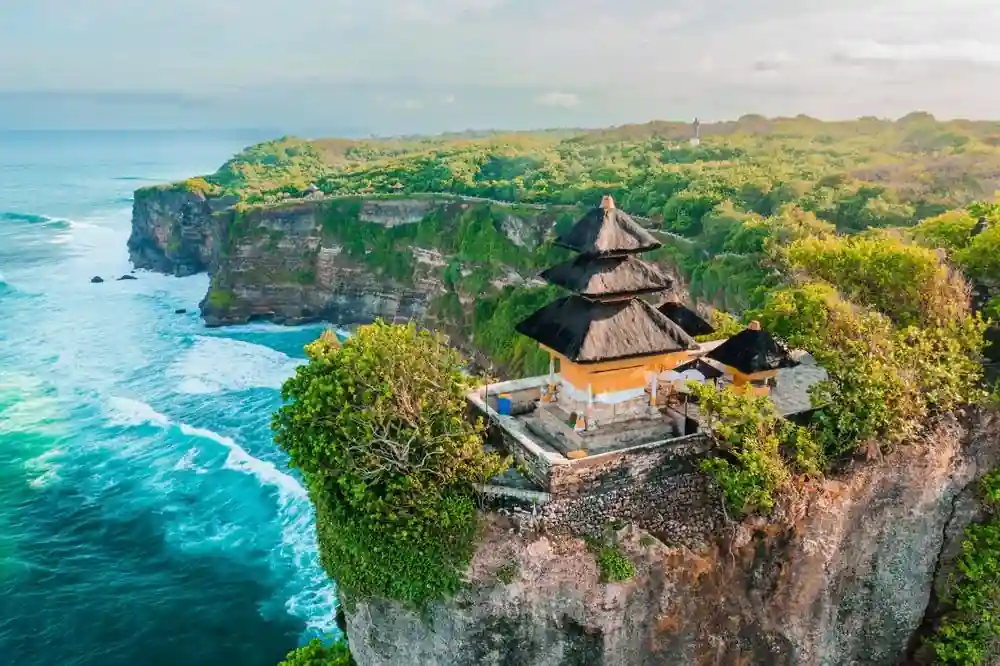
If you only have one afternoon free during your Bali trip, spend it in Uluwatu. The southwestern tip of the Bukit Peninsula is home to the most dramatic coastal scenery in southern Bali — towering limestone cliffs dropping 70 metres into the Indian Ocean, a 1,000-year-old sea temple clinging to the cliff edge, and one of the world's most visually striking traditional dance performances held as the sun sets directly over the water.
But Uluwatu rewards the prepared visitor. Miss the timing and you miss everything. This guide, written from the perspective of local guides who have taken thousands of international travelers to the area, covers what you actually need to know before you go.
Understanding Uluwatu: More Than a Sunset Spot
Uluwatu sits on the Bukit Peninsula in south Badung, a dry limestone plateau that feels geographically and culturally distinct from Ubud's jungle highlands or Kuta's beach strip. The atmosphere is wilder, the air smells of salt, and the landscape is shaped by cliffs rather than rice fields.
The name 'Uluwatu' itself means 'Land's End' or 'Stone at the Top', and the area has served as a spiritual boundary for Balinese Hinduism for centuries. Pura Luhur Uluwatu (Uluwatu Temple) is one of Bali's six key directional temples (sad kahyangan), believed to protect the island from evil spirits coming from the sea. This is not merely a tourist attraction — it is a living place of worship, and the reverence visitors show here matters greatly to local communities.
The Kecak Dance: What You Are Actually Watching
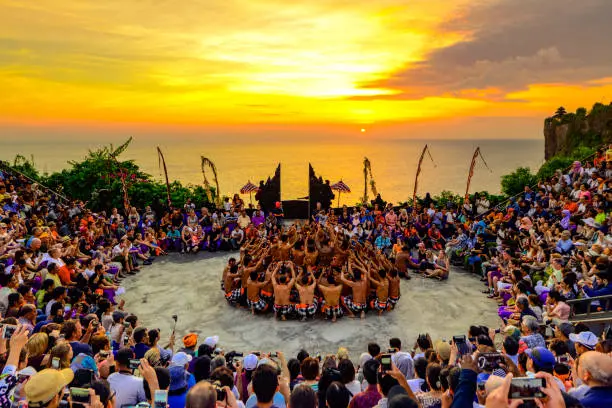
The Kecak Dance (pronounced keh-CHAHK) is unlike any other traditional performance in Bali. There are no gamelan instruments. Instead, 50 to 100 male performers sit in concentric circles and create all the music vocally — an extraordinary, rhythmic chant of 'cak-cak-cak' that builds in intensity throughout the performance.
The story performed is the Ramayana epic — a Hindu narrative in which Prince Rama attempts to rescue his wife Sita from the demon king Ravana. The Fire Dance element, where a performer walks through and kicks apart a burning coconut husk, closes the show and is genuinely spectacular.
The performance is staged in an open-air amphitheatre directly on the cliff edge, with the ocean and setting sun as the backdrop. Even if you have attended traditional performances elsewhere in Bali, the Uluwatu Kecak experience is in a category of its own.
Kecak Dance Practical Info: Tickets, Timing & Seating
- Performance time: Typically begins at 18:00 (6 PM) and lasts approximately 60–70 minutes
- Ticket price: Around IDR 150,000–200,000 per person (confirm current pricing with your guide or at the gate)
- When to arrive: At 17:00–17:15 at the latest to get good seating. The cliff-facing seats fill up first.
- Best seats: The upper semicircular rows on the ocean-facing side offer the most dramatic backdrop for both viewing and photography
- Peak season warning: During July–August and Christmas holidays, tickets can sell out. Pre-purchase is strongly recommended.
- Photography: Cameras and phones are allowed. A 50–85mm equivalent lens gives excellent crowd and performer shots. Wide angle captures the full cliff backdrop.
See the Kecak Dance Without the Stress
A local guide handles your tickets, seating, and timing — so you can focus entirely on the experience rather than the logistics.
Uluwatu Tour with Kecak DanceTemple Etiquette: What You Must Know Before Entering
Pura Luhur Uluwatu is an active Hindu temple and visiting requires respectful behaviour. Failing to follow these guidelines is disrespectful to the local community and may result in being denied entry:
- Wear a sarong (kamen) around your waist. This is mandatory, not optional. Sarongs and sashes are available to borrow or buy at the entrance. If you arrive with a private guide, they will typically carry extras.
- Cover your shoulders and knees. Singlets, short shorts, and bikini tops are not acceptable inside the temple grounds.
- Speak quietly and avoid disruptive behaviour. This is a place of genuine religious significance.
- Do not enter if you are menstruating — Balinese Hindu temples observe this tradition. There is no enforcement, but it is culturally important and widely expected of respectful visitors.
- Do not point your feet toward shrines or sit with the soles of your feet facing a sacred structure.
The temple grounds are inhabited by hundreds of long-tailed macaque monkeys. They are bold, quick, and highly opportunistic. Confirmed stolen items include sunglasses off faces, hats off heads, earrings, phone cases, water bottles, and bags. Secure or leave behind any loose accessories before entering. Do not make eye contact with monkeys and do not show food. If a monkey takes your item, do not try to grab it back — your guide or a temple attendant can sometimes negotiate a retrieval.
The Best Uluwatu Day Itinerary: Timing Is Everything
The biggest mistake visitors make at Uluwatu is arriving too late. South Bali traffic worsens significantly from 3 PM onward, and many travelers miss the best sunset light because they underestimated travel time from Seminyak, Ubud, or Kuta.
Here is the ideal timing flow recommended by our local guides:
- 11:00–13:00 — Visit Padang Padang Beach or Melasti Beach in the morning before the heat peaks
- 13:00–15:00 — Lunch break in the Uluwatu/Bingin area (many cliff-side warungs and cafés available)
- 15:30–16:30 — Explore the main Uluwatu Temple cliff path during the golden pre-sunset window
- 16:45–17:00 — Enter the Kecak amphitheatre and choose your seat
- 18:00–19:00 — Kecak Fire Dance performance
- 19:30–21:00 — Jimbaran Bay fresh seafood dinner by candlelight on the beach
This sequence ensures you avoid the worst of afternoon heat, get good seats for the performance, and end the evening with one of Bali's most romantic dining experiences.
Jimbaran Bay Seafood Dinner: What to Expect
Jimbaran Bay, roughly 20 minutes north of Uluwatu, is lined with open-air seafood restaurants that set their tables directly on the beach. Eating fresh grilled fish with your feet in the sand while traditional torch lights flicker around you is a quintessentially Bali experience that most visitors remember long after their trip.
- Fresh catch: Grilled fish, prawns, squid, lobster and crab are the mainstays. Choose your seafood from the display at the entrance and agree on pricing before sitting down.
- Expect to negotiate: Pricing in Jimbaran restaurants is not always fixed. Ask for the total bill before ordering if you want to avoid surprises.
- Best timing: Arriving at 19:30–20:00 gives you the evening atmosphere without the peak dinner queue.
- Dress comfortably: Barefoot on the sand is entirely normal and expected.
Hidden Beaches Worth Adding to Your Day
Padang Padang Beach
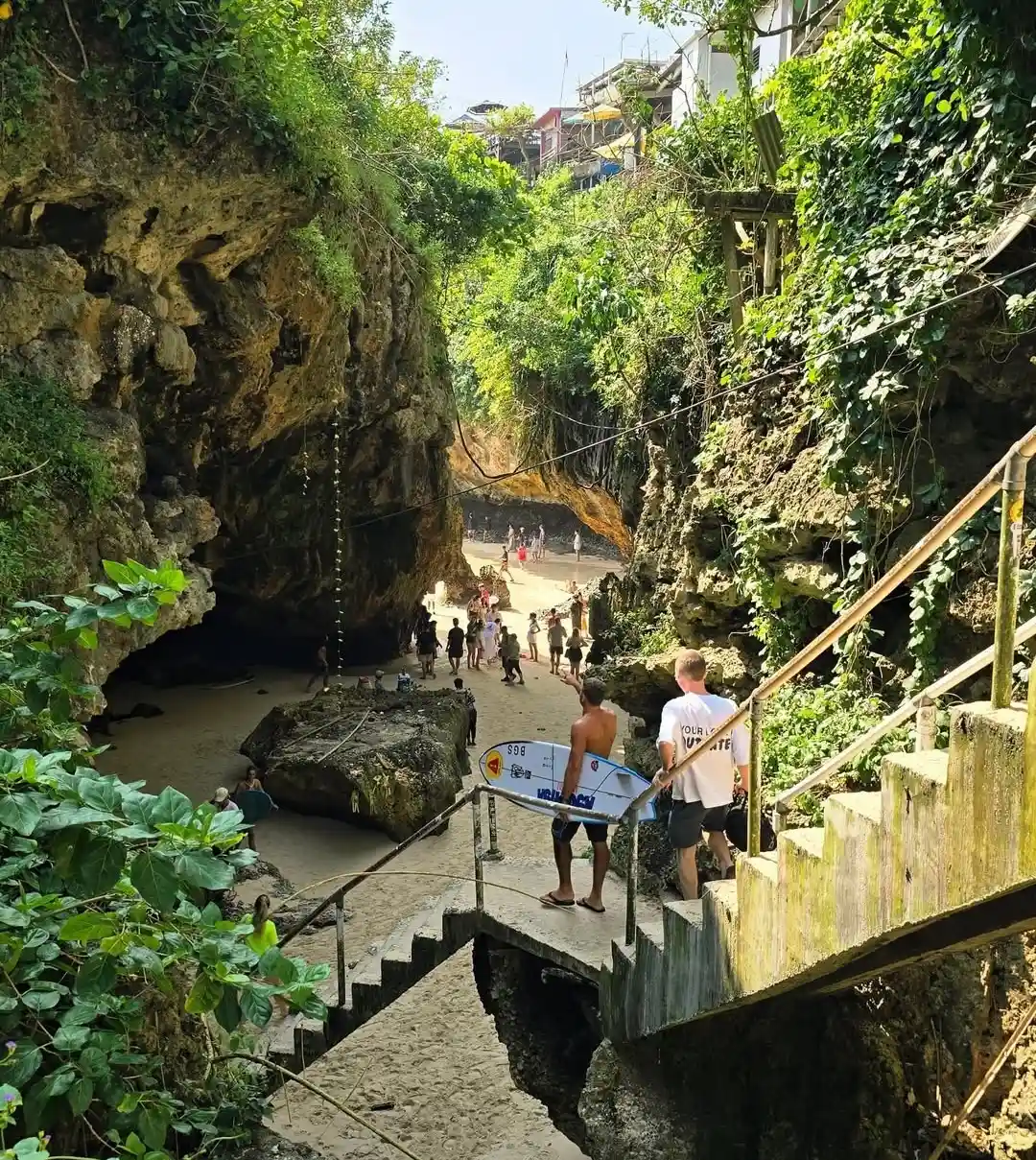
One of Bali's most unique beach entrances — you descend through a narrow gap in the limestone cliff and emerge onto a sheltered cove with turquoise water. Swimming is excellent when seas are calm (April–October). The beach has a small entrance fee and gets crowded by mid-morning in peak season, so visit before 10 AM for the best experience.
Melasti Beach
A newer addition to the Bukit Peninsula's beach circuit, Melasti is reached by a scenic coastal road that winds down from the plateau edge. The beach is wider and more open than Padang Padang, with calmer water suitable for families. The drive itself is part of the appeal — the cliff road overlooks the ocean the entire way down.
Suluban Beach (Blue Point)
A world-famous surf break accessed through a cave system at the base of the cliffs. Non-surfers can sit at one of the cliff-top bars and watch riders below. Visit at low tide to explore the cave entrance area safely — check tide tables in advance.
What to Wear and Bring to Uluwatu
- Light, breathable clothing — South Bali is dry and hot during the day. Cotton or linen is ideal.
- A sarong or wrap skirt — Mandatory for temple entry. Easiest to have your own rather than queuing at the gate.
- Flat, closed-toe shoes or sturdy sandals — The cliff path at the temple involves uneven stone steps.
- Sunscreen and sunglasses — And a strap for your sunglasses if you value them (monkey territory).
- Small backpack or crossbody bag — Secure, close to your body. Avoid dangling tote bags in the temple.
- Cash in small denominations — Many beach warungs and parking areas are cash-only.
- Insect repellent — Particularly useful if you plan to have dinner on the beach in Jimbaran.
Getting Around South Bali: Honest Advice
Uluwatu is approximately 30 km from Kuta, 35 km from Seminyak, and 70 km from Ubud. The roads to the temple are steep, narrow in sections, and heavily trafficked from 3 PM onward. Renting a scooter is possible for experienced riders but requires caution — the cliff road has no guard rails in several sections.
For first-time visitors or anyone who wants to enjoy the evening without navigational stress, a local private driver service is strongly recommended. A good driver will calculate the departure time from your hotel to ensure you arrive at the temple with comfortable time to spare, pre-position for Kecak seating, and navigate the traffic back to Jimbaran efficiently.
Frequently Asked Questions
Do I need to pre-book Kecak Dance tickets?
During July, August, and the Christmas period, pre-booking is strongly advised as performances sell out. During low season (February–March), tickets are generally available at the gate. Ask your guide or driver to confirm current availability.
Is Uluwatu Temple suitable for children?
Yes, children are welcome. The cliff path requires close supervision and the area is best navigated by those who are steady on their feet. The Kecak Dance is family-friendly — the fire element may startle very young children but is not dangerous.
What if a monkey steals my item?
Stay calm and do not try to grab it back. Temple staff and some local vendors are experienced in retrieving items — they may offer small food items to the monkey in exchange. Prevention is far easier than retrieval.
Can I combine Uluwatu with a morning in Ubud?
Technically possible, but tiring. Ubud to Uluwatu takes 1.5–2 hours in normal traffic. A more comfortable approach is to allocate separate days to each region and explore Ubud's highlands and Uluwatu's southern coastline on dedicated days.
Is the Jimbaran seafood dinner expensive?
It can range significantly. Fresh lobster and crab are premium items; grilled fish and prawns are more moderate. A full seafood dinner for two typically ranges from IDR 300,000–700,000 depending on selection and restaurant. Always confirm pricing before ordering.
Related Bali Travel Guides
- Top Things to Do in Uluwatu, Bali
- Ultimate Bali Travel Guide for First-Time Visitors
- Bali Temple Tours: A Spiritual Experience Guide
- Best Time to Visit Bali for Perfect Weather
Experience Uluwatu the Right Way
Our local guides handle temple tickets, Kecak seating, traffic timing, and Jimbaran dinner reservations — so your Uluwatu evening runs exactly as it should.
Uluwatu Tour with Kecak Dance