Nusa Penida is one of those destinations that looks perfect in photos and can genuinely live up to the hype — but only if you go in knowing what to expect. The island sits 45 minutes by fast boat from Sanur on Bali's east coast, and within a single day you can swim alongside manta rays, stand at the edge of Kelingking Beach's dinosaur-shaped clifftop, and snorkel through crystal-clear water above coral gardens. You can also end up exhausted, sunburnt, and stuck on a rough road in a cramped shared vehicle — if you let the wrong kind of operator plan your day.
This guide, based on thousands of guest visits coordinated by Bali Nusa Tour, gives you the honest, practical information that travel blogs rarely share: the ferry crossing reality, the road conditions, the best time to arrive at each viewpoint, how manta ray sightings actually work, and what to genuinely prepare for.
Getting to Nusa Penida: The Fast Boat Reality
Fast boats depart from Sanur Beach (the primary and recommended crossing), Padangbai harbour, and in some cases from Kusamba. The crossing to Nusa Penida's main harbour (Banjar Nyuh or Toyapakeh) takes approximately 30–45 minutes depending on sea conditions.
- Book your fast boat in advance, especially during July–August and the Christmas period. Boats are often fully booked a week ahead in peak season.
- Departure timing matters. Earlier boats (07:00–08:00 AM) allow you to reach snorkeling spots before ocean conditions deteriorate. Afternoon crossings mean afternoon heat on the island.
- The crossing is open water. In rougher sea conditions (November–March), passengers sometimes experience seasickness. Bring medication if you are sensitive, and sit in the middle of the boat at the waterline level.
- Luggage on fast boats is limited. Day-trip visitors should carry only a small daypack.
- Hotel transfer to Sanur is required from most south Bali hotels. Factor 45–90 minutes of travel time before the boat departure depending on your hotel location.
Nusa Penida's Road Conditions: What No One Tells You
This is the single most underestimated aspect of visiting Nusa Penida. The island's road network has improved significantly in recent years, but significant sections — particularly on the west coast toward Kelingking and Broken Beach — remain narrow, steep, and unpaved in sections. Potholes are common even on sealed roads.
Many independent travelers rent scooters at the harbour and struggle with the roads, especially in heat and on descents near viewpoints. For first-time visitors, unfamiliar with Indonesian traffic patterns and without off-road experience, sharing a local vehicle or open truck (called an 'ojek' or local shuttle) is the safer and more comfortable option.
Your guide or tour operator should be using local island vehicles staffed by drivers who navigate these routes daily — not standard Bali cars, which are not suited for rougher west-coast island tracks.
Manta Ray Snorkeling: What the Experience Is Actually Like
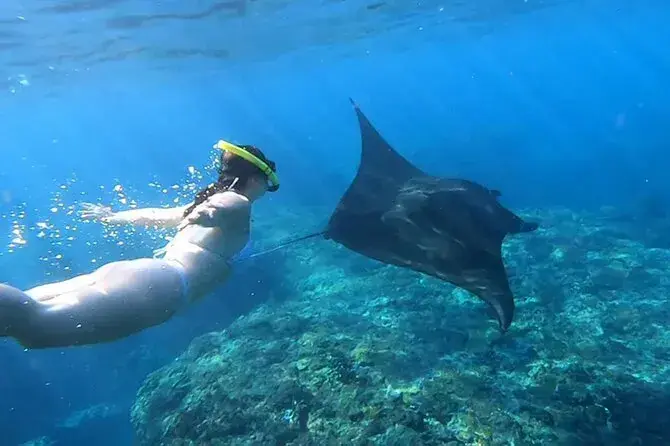
Swimming with manta rays is the single reason many visitors choose Nusa Penida over Bali's other snorkeling destinations. Manta Bay (Manta Point) on the island's southwestern coast is one of a small number of places in the world where large oceanic manta rays — with wingspans of 2–5 metres — gather regularly near the surface to feed.
Here is what first-timers need to understand:
- Manta rays are wild animals. Sightings are highly likely but never guaranteed. Most guests on morning departures see mantas, but weather, current, and feeding conditions vary.
- The current at Manta Bay can be strong. Even confident swimmers should stay close to the boat or guide rope. Non-swimmers can wear a life jacket and still see mantas from the surface.
- Do not touch or chase mantas. Approaching too closely stresses the animals and disrupts their feeding behaviour. Reputable operators brief you on this before entry.
- Best conditions: The clearest water and calmest surface conditions occur between April and September. November–March can bring stronger swell and reduced visibility.
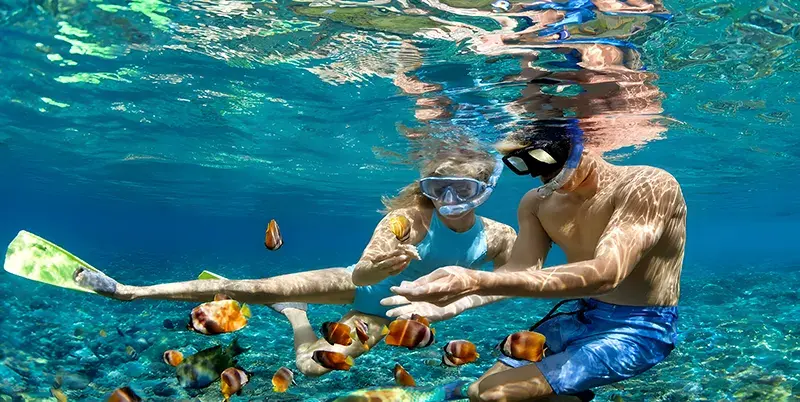
- Your snorkeling equipment matters. A properly fitting mask makes the difference between a frustrating experience and an incredible one. If you own a prescription mask, bring it.
Snorkel With Mantas & See Kelingking in One Day
Bali Nusa Tour coordinates your Sanur fast boat, island transport, manta snorkeling, and cliff viewpoints — all in a single well-paced day.
Nusa Penida Tour with SnorkelingThe Iconic Viewpoints: Honest Visitor Information
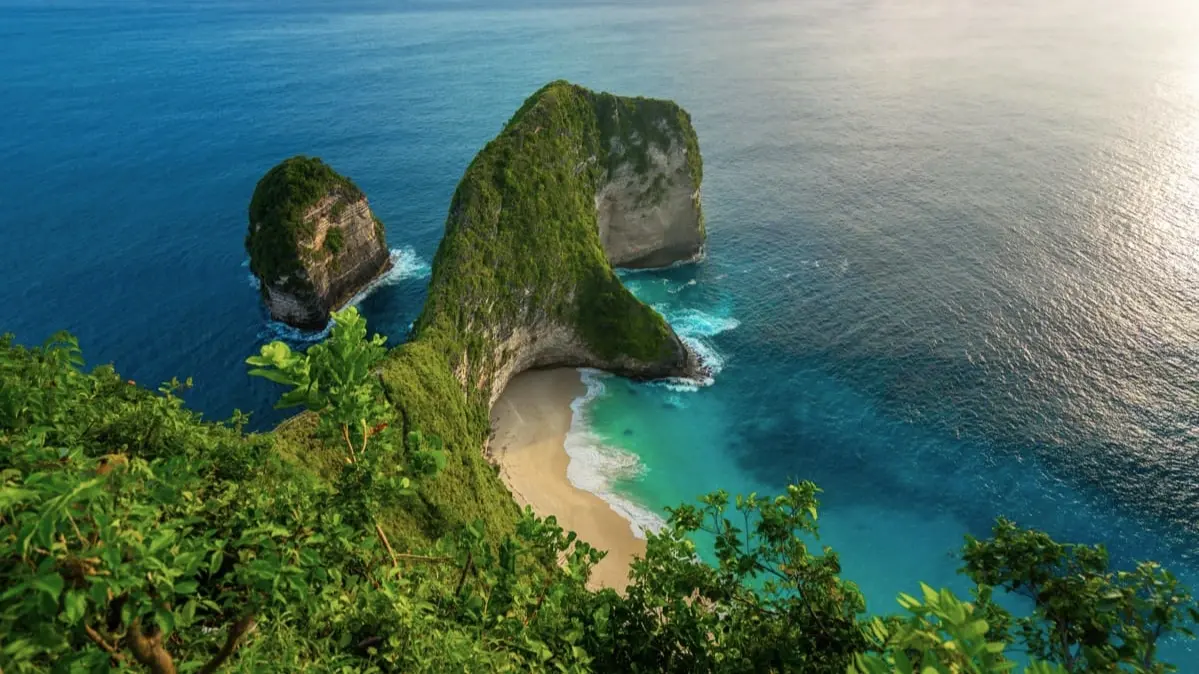
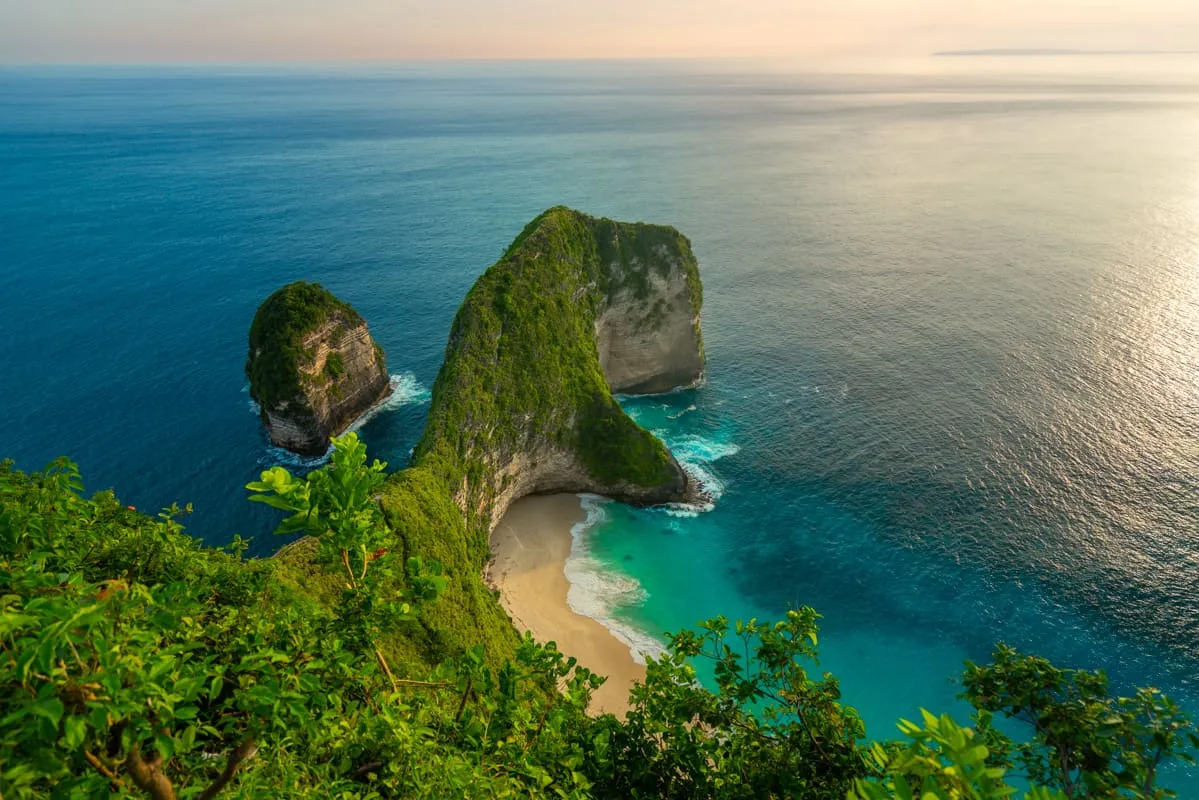
Kelingking Beach (T-Rex Cliff)
The most-photographed location on Nusa Penida. The cliff formation, shaped loosely like a dinosaur's head with a tiny crescent of white sand beach below, is extraordinary. The viewpoint platform itself is a 5-minute walk from the parking area.
What the photos do not show: The descent to the beach below involves a dangerously steep informal trail — loose rocks, near-vertical sections, and no safety infrastructure. Dozens of visitors sustain injuries here every year attempting the descent in flip-flops or without appropriate footwear. If you choose to descend, wear proper shoes, go slowly, and allow 40–60 minutes each way. Many visitors choose to admire the view from the cliff and skip the descent entirely.
Broken Beach (Pasih Uug)
A natural archway in the limestone cliff creates a circular lagoon connected to the open ocean. The colour of the water inside the arch is a deep, vivid turquoise. There is no beach to swim from — this is a viewpoint experience, not a swimming spot. The walk from the parking area is short and flat.
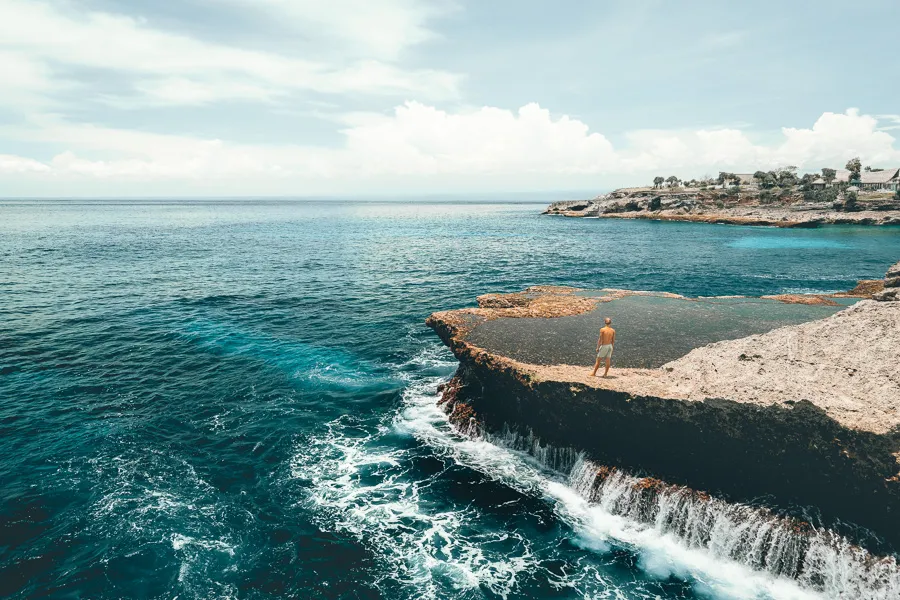
Angel's Billabong
A natural rock pool at the cliff edge, carved by wave action over centuries. At low tide, the pool calms and the clear water reveals the coral below. At high tide or during rough conditions, the area is completely off-limits — waves regularly crash over the edge. Check tide conditions before planning to visit and follow all local safety warnings.
Crystal Bay
The island's best beach for swimming and sunset viewing. The bay is sheltered, the water is calm, and visibility for snorkeling is excellent. Crystal Bay is a good alternative or addition to Manta Bay snorkeling, particularly for families with children or less confident swimmers.
Best Time of Year to Visit Nusa Penida
April to September is the ideal window — calm seas, good visibility for snorkeling, and manageable heat on the island. May, June, and September are particularly good choices with lighter crowds.
July and August are the busiest months. Kelingking Beach and Broken Beach become significantly crowded between 9 AM and 1 PM. If you visit in peak season, an early morning arrival (07:30–08:00 at the harbour) is essential.
November to March brings rougher seas, occasional boat cancellations, and reduced snorkeling visibility. The island is much quieter, but plan with flexibility in case conditions change your itinerary.
What to Pack for a Nusa Penida Day Trip
- Reef-safe sunscreen — Apply before boarding the boat. Chemical sunscreens damage coral reef ecosystems.
- Rash guard or long-sleeve swimming top — More sun protection than sunscreen alone and prevents jellyfish contact.
- Motion sickness medication — Take 30 minutes before the fast boat if you are susceptible.
- Waterproof bag or dry bag — For phone, cash, and documents during the boat crossing.
- Comfortable walking shoes or trail sandals — Essential if you plan to descend any cliff trails.
- Cash (Indonesian Rupiah) — Many island warungs and parking areas are cash only. There are limited ATMs near the harbour.
- Water (at least 1.5 litres per person) — The island heat and physical activity demand significant hydration.
- Snacks — Island lunch options near viewpoints are limited. A packed lunch or substantial snacks smooth out the day.
- Underwater camera or GoPro — Completely worthwhile for the manta ray snorkeling.
Safety Tips and Common Mistakes
- Do not attempt the Kelingking descent in flip-flops. It sounds obvious until you see the trail. Proper footwear is non-negotiable.
- Follow local safety warnings at Angel's Billabong. Multiple visitors have been swept off the edge by sudden waves. The closures exist for good reason.
- Do not use flash photography near manta rays. It disorients them and disrupts their feeding.
- Drink water proactively. In Nusa Penida's heat and humidity, dehydration sets in faster than most visitors expect.
- Confirm your return boat time in advance. Missing the last boat means spending an unplanned night on the island.
- Be cautious with extremely cheap operators. Low-cost snorkeling tours often mean overcrowded boats, poor equipment, and guides who prioritise speed over safety.
A Realistic One-Day Itinerary
- 06:00 — Hotel pickup for Sanur departure
- 07:30 — Board fast boat at Sanur Beach
- 08:15 — Arrive Nusa Penida harbour; meet island driver
- 09:00–10:30 — Manta Bay snorkeling (best manta conditions in morning)
- 11:00 — Crystal Bay snorkeling or swimming (optional second snorkeling stop)
- 12:00–12:30 — Lunch at a local warung
- 13:00 — Kelingking Beach viewpoint (arrive before peak crowd hour)
- 14:00 — Broken Beach and Angel's Billabong
- 15:30 — Return to harbour
- 16:00 — Fast boat back to Sanur
- 17:00 — Arrive Sanur; transfer back to hotel
This schedule is realistic without being rushed. The most common itinerary mistake is attempting to add 2–3 additional destinations, which turns a relaxed adventure into an exhausting sprint.
Frequently Asked Questions
Can non-swimmers do the snorkeling tour?
Yes. Life jackets are provided and guides assist non-swimmers throughout. You can float on the surface with a life jacket and see manta rays just as clearly. Communicate your swimming ability to your guide before entering the water.
Is Nusa Penida suitable for young children?
It depends on the age and fitness of your children. The viewpoints involve uneven terrain and cliff edges requiring close supervision. The snorkeling in Crystal Bay is calm and excellent for children who are comfortable in water. Kelingking descent is not suitable for young children. Overall, families with children aged 8 and above tend to have the best experience.
Do I need to pre-book the fast boat?
Yes, especially during July–August and Christmas holidays. Boats operate on fixed departure times and fill up quickly in peak season. A confirmed booking also ensures you are on a licensed, insured vessel.
What if the sea is too rough to snorkel?
Reputable operators will adjust the route or move to calmer alternative snorkeling spots (Crystal Bay is more sheltered than Manta Bay during rougher conditions). In rare cases of very severe weather, the boat crossing itself may be postponed for safety.
Is one day enough for Nusa Penida?
For a first visit covering snorkeling and the main west-coast viewpoints, one day is sufficient if you start early. Travelers who want to explore the island more deeply — including the east coast temples and beaches — sometimes stay one or two nights at a Nusa Penida guesthouse.
Related Bali Travel Guides
- Complete Nusa Penida Travel Guide for Beginners
- Top Attractions in Nusa Penida You Must Visit
- Ultimate Bali Travel Guide for First-Time Visitors
- Best Time to Visit Bali for Perfect Weather
Ready for Nusa Penida?
Bali Nusa Tour handles your fast boat transfer, island driver, snorkeling guide, and viewpoint timing — so your Nusa Penida day runs smoothly from first light to last boat.
Nusa Penida Tour with Snorkeling